2026–2027 Officers & Executive Committee
Morgan Tingley, President (2026–2028) (elected in 2024 as President-Elect)
Daniel Cadena, President-Elect (2026–2028)
Sushma Reddy, Secretary (2022– )
Matthew Carling, Treasurer (2021– )
Judith Scarl, Executive Director and CEO, ex officio (2021– )
Newly elected Elective Councilors — Terms ending 2028
Emily DuVal
Maggie MacPherson
Scott Taylor
Benjamin Winger
Newly elected Elective Student Councilor — Term ending in 2027
Martha Barta
The votes are in for the 2026 American Ornithological Society (AOS) Officers and Councilors election. In a historic first, AOS members have elected a South American ornithologist to serve as President-Elect and then as President starting in 2028; Daniel Cadena will be the first AOS officer from Latin America.
The AOS Council is the Society’s governing body, made up of member volunteers. The AOS Council is responsible for organizational governance: It establishes the direction and strategy of the AOS, makes high-level decisions about AOS’s priorities, oversees the sound financial management of AOS’s resources, and ensures legal and ethical integrity of the organization. Voting members of Council include four officers (President, President-Elect, Treasurer, and Secretary); twelve Elective Councilors (serving staggered three-year terms); two Elective Student Councilors (serving staggered two-year terms); and the three most recent, living past Presidents. For the full list of voting and nonvoting members of AOS Council, please visit: https://americanornithology.org/about/governance/aos-council/. Please note that this web page will be updated following the 2026 Annual Meeting to reflect the results of the 2026 election.
Daniel Cadena was elected as President-Elect and will serve in this role until the AOS 2028 meeting, after which he will assume the role as President. Morgan Tingley, elected to the President-Elect role in 2024, will step into his role as President immediately following the AOS 2026 meeting in Amherst, Massachusetts. Sushma Reddy and Matt Carling ran unopposed this year and were re-elected to the offices of Secretary and Treasurer, respectively. This year, AOS members also elected four new Elective Councilors who will officially take office immediately following the AOS 2026 Annual Meeting. Emily DuVal, Maggie MacPherson, Scott Taylor, and Benjamin Winger were elected as Elective Councilors to serve three-year terms ending in 2029.
The AOS Council also includes two Elective Student Councilors serving staggered two-year terms. Martha Barta was elected by the AOS members to serve on Council from 2026–2028, joining Zachery Holmes, who began his term in 2025.
Congratulations to these Officers and Councilors!
Read more about our newly elected members of Council below, including personal statements and answers to three important questions asked of each candidate:
- Why are you interested in serving the American Ornithological Society in this leadership position?
- What key interests, experience, or skills would you bring to this position?
- How have your background and experiences prepared you to be effective in a professional scientific society that values diversity?
Newly elected AOS Officer & Councilors
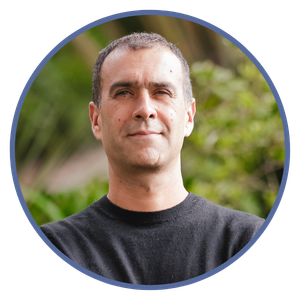
Daniel Cadena
AOS President-Elect
Full Professor, Departamento de Ciencias Biológicas, and Dean of the School of Sciences, Universidad de los Andes, Bogotá, Colombia
AOS Elective Councilors (Terms ending in 2029)
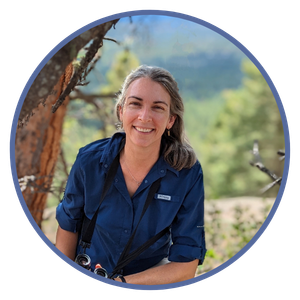
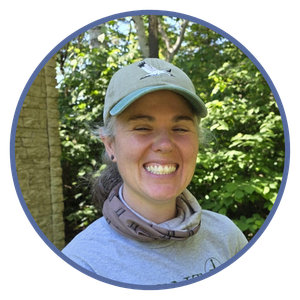

Scott Taylor
Associate Professor, Ecology and Evolutionary Biology Department, University of Colorado Boulder
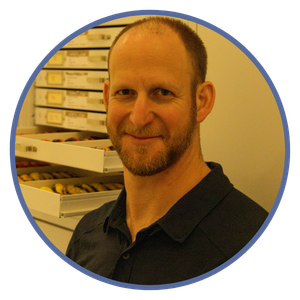
Benjamin Winger
Associate Professor, University of Michigan Department of Ecology and Evolutionary Biology, Curator of Birds, University of Michigan Museum of Zoology
Elective Student Councilor (Term ending 2028)
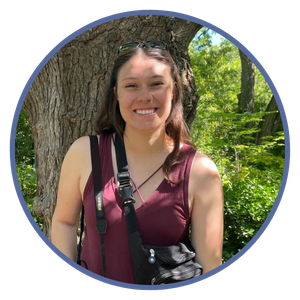
Martha Barta
Ph.D. Student, Department of Ecology and Evolutionary Biology, Tulane University
Returning Officers & Councilors
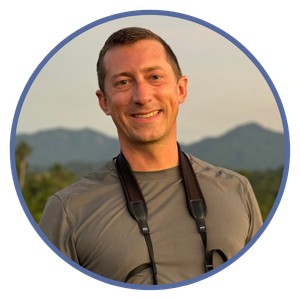
Morgan Tingley
AOS President
Professor, Department of Ecology and Evolutionary Biology, University of California, Los Angeles
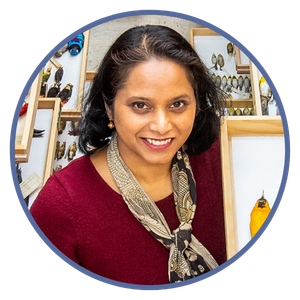
Sushma Reddy
AOS Secretary
Associate Professor, Breckenridge Chair of Ornithology, Curator of Birds, Bell Museum of Natural History
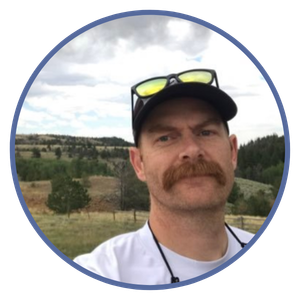
Matt Carling
AOS Treasurer
Professor, Department of Zoology and Physiology, and Curator, Museum of Vertebrates, University of Wyoming
AOS Elective Councilors
José Maria Cardoso da Silva
Anna Chalfoun
Jennifer Owen
Luis Sandoval
AOS Elective Councilors
Elizabeth Gow
Catherine Lindell
Bette A. Loiselle
Nicholas A. Mason
Q&A, Bios, and Candidate Statements
Daniel Cadena
Full Professor, Departamento de Ciencias Biológicas, and Dean of the School of Sciences, Universidad de los Andes, Bogotá, Colombia
Bio: Cadena has been connected to AOS and its predecessor societies throughout his career. As a graduate student, he contributed Spanish translations of abstracts for multiple AOS journals for over a decade. He was designated an AOS Elective Councilor (2020–2023), served on the South American Classification Committee for thirteen years, co-chaired the Ad Hoc English Bird Names Committee, and was a member of the working group that developed the current AOS Strategic Plan. His editorial service includes roles as Reviewing Editor for The Condor and Associate Editor for The Auk. Outside AOS, he has served on the executive boards of the Neotropical Ornithological Society and the Asociación Colombiana de Ornitología, was named Fellow of the International Ornithologists’ Union, and is a member of the Colombian National Academy of Science. His research addresses speciation, biogeography, and the ecology and evolution of migration, using birds and other vertebrates in the Neotropics as study systems. More than 130 publications in Nature, Current Biology, PNAS, Proceedings of the Royal Society B, American Naturalist, Systematic Biology, Ecological Monographs, Evolution, Ornithology, and Ornithological Applications, among others. Google Scholar: 7,705 citations, h-index 41 (April 2026). Supervised 7 Ph.D., 25 M.Sc., and 53 undergraduate thesis students.
Why are you interested in serving the American Ornithological Society in this leadership position?
My connection to AOS began as an undergraduate student in Bogotá, Colombia, in the late 1990s, and I have remained actively engaged at every career stage since. That sustained relationship, spanning more than 25 years, makes me feel both prepared and motivated to take on a larger leadership role. At the core of what I care about is the science. My first priority is to sustain and strengthen the scientific foundation of the Society through our journals, meetings, grants, and capacity to attract and retain excellent ornithologists at every career stage. I also want to help AOS become the truly hemispheric society its name implies. The Neotropics harbor the greatest avian diversity on Earth, and many species in decline are birds of two worlds whose ecology and conservation depend on science and collaborative work conducted across the hemisphere. Strengthening participation from across the Americas is, at its core, a way of strengthening ornithology and bird conservation. I am also clear-eyed about the challenges facing scientific societies today. Navigating pressures on membership, funding, and public trust in science requires steady leadership that keeps the Society’s core mission at the center of every decision, something my administrative experience at a major university leading through periods of change and political uncertainty has prepared me to do.
What key interests, experience, or skills would you bring to this position?
Three areas of experience converge in my preparation for this role. First, my active international research program keeps me grounded in what the membership does and what it needs from a professional society; my close ties to students keep me mindful of the challenges most pressing for the next generation of ornithologists. Second, as dean of a school with more than 100 faculty across five departments, I manage a complex organization whose mission spans research, education, and public engagement; this practical experience translates directly to building teams, overseeing budgets, making decisions under uncertainty, and serving a large and diverse community. Third, I have experience leading through complexity and disagreement. For example, designing interdisciplinary programs and constructing strategic plans at the Universidad de los Andes required respecting diverse perspectives, enabling honest dialogue, and building consensus without forcing it. I am mindful of the importance of being transparent about reasoning even when decisions are not universally welcomed, and of keeping the long-term health of the community one serves at the center of decisions.
How have your background and experiences prepared you to be effective in a professional scientific society that values fostering an inclusive ornithological community?
I bring a career built simultaneously in the best traditions of North American and Latin American ornithology. I trained in the United States, am a Fellow of this Society, publish in its journals, collaborate with many of its members in my research, and have engaged with its governance at multiple levels. At the same time, I have spent my professional life based in Colombia, leading a research group focused on Neotropical birds, training students in the region, and building scientific partnerships throughout the hemisphere. Translating journal abstracts into Spanish for over a decade reflected a conviction that good science should travel as widely as possible. Serving on the South American Classification Committee for more than a decade meant contributing to decisions about Latin American birds based on the best science available from within the region where they live and are studied. Co-chairing the English Bird Names Committee brought that same orientation to a larger and more visible challenge with a broader and more diverse constituency. Advocating as a Councilor for stronger ties with Latin American ornithological societies expressed my belief that AOS will be more scientifically productive and more relevant to conservation when it works in genuine partnership with institutions across the hemisphere. I am enthusiastic about helping AOS to continue growing as an inclusive, cohesive, science-centered community.
Sushma Reddy
Associate Professor, Breckenridge Chair of Ornithology, Curator of Birds, Bell Museum of Natural History
Bio: Breckenridge Curator of Birds, Bell Museum of Natural History, Associate Professor, Department of Fisheries, Wildlife, Conservation Biology, University of Minnesota, Twin Cities. Ph.D., Columbia University in the City of New York. Member of AOS since 2002; Elective Member (2011); Fellow (2018), Chair, Meetings Coordination Committee (2020–22); Meeting Coordination Committee (2017–18); Local Organizing Committee (2013); Student Awards Committee (2020). Published in The Auk, Science, Proceedings of National Academy of Sciences, Molecular Phylogenetics and Evolution, Systematic Biology, BMC Evolutionary Biology, Current Zoology, Journal of Field Ornithology, Proceedings of the Royal Society B, Journal of Biogeography.
My research is centered on the evolutionary history of birds with a focus on diversification patterns in the eastern tropics and the early radiation of modern birds. As an educator, researcher, and museum curator, I have a strong interest in promoting natural history collections as a key resource for understanding biodiversity and environmental change. My goals are to continue to support and promote research, education, and outreach activities to advance scientific understanding, public awareness, and conservation of biodiversity.
Why are you interested in serving the American Ornithological Society in this leadership position?
AOS has been the key professional organization that supported me throughout my career trajectory. I continue to be impressed with the variety of people from diverse backgrounds and interests who come together to promote the study and conservation of birds. There is no singular way to be an ornithologist – I believe this is the most important message we can send to create a more inclusive and supportive atmosphere. Diverse perspectives promote excellence and innovation in science and education. In recent years, as I interact with members of varied experiences and backgrounds, I have felt an increased sense of belonging and a responsibility to actively participate in service to AOS. It is often difficult, yet enormously rewarding, to engage in the collective efforts to bring together and facilitate connections across people and disciplines. I would like to continue my service by promoting activities that engage a broader community with a special focus of reaching out to underserved groups. I strongly believe in and work towards advancing the role of science and conservation of birds while building support for current and future ornithologists.
What key interests, experience, or skills would you bring to this position?
I believe my professional career as an ornithologist as well as my demonstrated skills in my current role serving as secretary of AOS and previous role as chair of the Meeting Coordination Committee make me well qualified for this leadership position. As an educator and researcher, I have a keen awareness of the importance of birds for teaching, learning, and caring about the natural world. In my daily activities, I strongly uphold and work towards the mission of the AOS – to advance science and conservation of birds and the scientists who study them. I am proud to help students navigate their scientific pursuits while also encouraging them in public engagement to communicate their work to varied audiences. I am proud to be part of the hard-working team whose efforts bring together our shared passion for birds, science, education, and nature.
How have your background and experiences prepared you to be effective in a professional scientific society that values diversity?
My desire to serve is driven primarily by AOS’s commitment to promoting diversity and inclusion. Advancing science and nature is clearly important but can only be achieved by building a strong community that is diverse, equitable, inclusive, and accessible. I know from my own experiences and hearing others speak about theirs, professional scientific societies can feel impersonal and unapproachable, especially for people of marginalized ethnicities, backgrounds, and genders. Creating a more welcoming atmosphere needs to be an active endeavor. In my efforts for AOS, I strive towards this in multiple ways including by advocating for speakers from diverse backgrounds and experiences; promoting themes relevant to broad audiences; elevating the recognition of women, BIPOC, and early-career researchers; and encouraging policies that broaden participation. Birds have the power to uplift, empower, and advance our scientific and cultural discourses. Through AOS, we can harness this excitement to create a more inclusive and equitable environment for people from diverse backgrounds and abilities.
Matt Carling
Associate Professor, University of Wyoming
Bio: Professor (effective Fall 2026), Department of Zoology and Physiology, and Curator, Museum of Vertebrates, University of Wyoming. Ph.D., 2008, Louisiana State University; Postdoctoral Fellow, 2008–2010, Cornell Lab of Ornithology. AOU/AOS member since 2003. AOS Elective Member 2013, AOS Fellow 2020. James. G. Cooper Award, 2011, Cooper Ornithological Society. Chair and then co-Chair of Student and Postdoc Travel Awards Committee, 2013–2021. Chair and then co-Chair of Student Presentation Awards Committee, 2013–2021. AOS Treasurer, 2021–present. Attendee at 18 of 20 AOU/AOS meetings since 2006. Associate Editor for Evolution, 2016–2017. Rotating Program Officer, Evolutionary Processes, Division of Environmental Biology, National Science Foundation, 2017–2018; 2022–2024. Published in Auk, Condor, Journal of Avian Biology, Journal of Field Ornithology, Ornithology, Western Birds, American Naturalist, BMC Evolutionary Biology, Conservation Genetics, Genetics, Evolution, Evolution Letters, Molecular Biology and Evolution, Molecular Ecology, Molecular Phylogenetic and Evolution, Nature, and Nature Communications, among others.
My students and I work on a variety of questions related to speciation and adaptation in birds. Much of this work focuses on using naturally-occurring hybrid zones to study the processes important in generating and maintaining reproductive isolation between closely-related species.
Why are you interested in serving the American Ornithological Society in this leadership position?
In October 2006, I attended the NAOC in Veracruz, Mexico. That was my first ornithological conference, and from that point, I have considered AOU/AOS my home academic society. In the nearly 20 years since then, I, along with my students, have benefited tremendously from being AOS members. My career has been enriched many times over through connections, collaborations, and friendships made possible by my involvement with AOS. Because of those experiences, I am motivated to help AOS continue to grow as a source of mentoring, support, and community for all ornithologists, and to further our ability to foster their development and careers. I am motivated to help AOS continue, and ideally improve, its ability to fund cutting-edge ornithological research, especially in these times of so much uncertainty for research funding. And I am motivated to help AOS continue to publish the best ornithological science, while navigating a dynamic publishing landscape. Finally, AOS is run by an incredibly dedicated and talented team of volunteers and paid staff, and I would be honored to continue to help lead that team and AOS through an exciting time for growth and help navigate any future challenges.
What key interests, experience, or skills would you bring to this position?
I have been serving as AOS Treasurer since 2021, and since then I have had the privilege of working closely with the Executive Committee, Elective Council, and staff to ensure AOS remains in a strong financial position. One of my goals as Treasurer has been to provide multiple opportunities for AOS’s elected leadership to learn as much as they care to about AOS’s finances. For example, I instituted budget office hours to allow any interested member of the AOS Council to ask questions about the budget, the budgeting process or other aspects of AOS’s finances. I also work closely with AOS staff and external financial partners to routinely assess how we best present AOS’s financial picture to Council. I’ve also helped guide a significant increase in programmatic funding (e.g., research grants), including the newly launched Bridge/Completion Grant program for AOS members that have recently lost funding.
How have your background and experiences prepared you to be effective in a professional scientific society that values diversity?
During my time as chair and then co-chair of the AOS Student and Postdoc Travel Awards Committee and the Student Presentation Awards Committee, I was part of a team that worked hard to increase accessibility. We streamlined application processes to be more objective and transparent, in an effort to eliminate challenges to participation. We also ushered in more efficient evaluation mechanisms allowing us to greatly expand the number of students competing for presentation awards, while also providing feedback to all participants. Throughout these efforts, we regularly engaged both the Diversity and Inclusion and the Student Affairs committees to be sure our policies and procedures would help promote a more diverse and inclusive AOS. As Treasurer, I’ve pushed to clarify the budgeting process for AOS’s Elective Council, with a specific focus on creating opportunities to help new council members prepare for this important, yet complex, process. More recently, I participated in inclusive leadership training lead by Priya Nalkur of the Roundtable Institute. Finally, while I cannot change the amount of privilege I have benefited from, I can help foster a supportive, diverse, and inclusive AOS through an approach dedicated to honesty, transparency, and empathy.
Emily Duval
Professor, Biological Science, Florida State University
Bio: Emily DuVal is a professor in the department of Biological Science at Florida State University (FSU). She received her Ph.D. from UC Berkeley (2005; advisor, E.A. Lacey) and conducted postdoctoral research at the Max Planck Institute for Ornithology (2005–2007; advisor, B. Kempenaers) before accepting a tenure-track position at FSU. She has studied the courtship interactions and social dynamics of lance-tailed manakins in Panama since 1999, and has also worked on cooperative breeding and dispersal behavior in brown-headed nuthatches. Her research is grounded in a long-standing fascination with cooperation and avian social systems, and with how social environments shape evolutionary outcomes over time. Her work has been funded by multiple NSF awards, including an NSF CAREER and LTREB, and produced 42 peer-reviewed publications, including 4 published in the Auk/Ornithology.
DuVal was elected as a Fellow of the American Ornithological Society in 2016, and awarded the AOS Katma Award in 2024. She first became an AOS member in 2001, and has regularly attended AOS meetings, including organizing a symposium on lekking behavior in 2007 and presenting work at invited symposia on long-term research in NAOC 2016, manakin sexual selection in 2020, and cooperation in 2025. Her graduate students are also active participants in AOS conferences. She regularly serves as a student presentation judge at AOS conferences, and reviewed AOS student research grants in 2026. She is also Fellow and Past President of the Animal Behavior Society.
Why are you interested in serving the American Ornithological Society in this leadership position?
I value the diverse and impactful work of the American Ornithological Society and would welcome the opportunity to contribute to its continued strength and relevance. I especially appreciate the Society’s thoughtful, transparent, and forward-looking approach to supporting ornithological research and researchers across career stages. This is evident in its expanding portfolio of programs, from graduate student research awards, which (decades ago) helped launch my own long-term research program and continue to boost the work of early-career scientists, to more recent initiatives such as bridge funding to support ornithologists navigating a challenging national funding landscape, and the development of Flocks to build community within the society. Serving on the AOS Council would allow me to help sustain and extend these efforts, while contributing to a scientific community that I value deeply.
What key interests, experience, or skills would you bring to this position?
I am particularly interested in expanding support for AOS research grants, fostering thoughtful community dialogue around complex issues in ornithology, strengthening networking opportunities at conferences, and extending public outreach in ways that clearly connect research to broader audiences. These interests are grounded in experience building and managing programs within a scientific society. My most sustained service has been with the Animal Behavior Society, where I served as Member-at-Large from 2014 to 2017, with responsibility for administering the student research grants program, and later as President across the 2022 to 2026 cycle. These roles required careful attention to both program administration and longer-term priorities, and they shaped how I think about aligning society initiatives with member needs. They also revealed the value of cross-society exchange of ideas, which can help identify effective approaches and adapt them to new contexts.
How have your background and experiences prepared you to be effective in a professional scientific society that values diversity?
My background and experiences have prepared me to contribute meaningfully to a professional society that values an inclusive ornithological community. I have mentored a diverse group of undergraduate and graduate students, including women, Latino, Black, first-generation, and LGBTQ trainees, and I aim to create a lab environment in which all members feel supported, respected, and able to succeed. I have also pursued formal training through the Animal Behavior Society and Florida State University Allies programs, which has strengthened my ability to engage thoughtfully with issues of inclusion and community climate. In addition, my service as chair of the ABS Safe Behavior Committee has provided experience in developing and implementing policies that promote respectful, professional interactions. Together, these experiences have grounded my approach to mentorship and service in both practice and reflection, and I would bring that perspective to work within AOS.
Maggie P. MacPherson
Assistant Professor of Avian Ecology, Trent University
Bio: Assistant Professor of Avian Ecology, Trent University. University of Guelph (B.Sc.), York University (M.Sc.), Tulane University (Ph.D.). 23 peer-reviewed publications, 1 book chapter. Student member (2009–2017), postdoc (2017–2023), early career (2023–present) Rainbow Lorikeets member, Fun Run Coordinator (Tody Trot, 2022; Shorebird Shuffle, 2023). Elected councilor 2023–2026 for SCO and WOS. All AOS meetings 2009–2024, except for 3 that I could not attend when they were held during the academic year or when I was moving to a new job.
I started bird banding in northern Ontario at the Hilliardton Marsh Research and Education Centre in elementary and highschool. This experience piqued my interest in pursuing a Wildlife Biology undergraduate degree from the University of Guelph, a Biology Master’s degree from York University, and an Ecology & Evolutionary Biology doctoral degree from Tulane University. I did post-doctoral research at the University of Missouri, University of California at Santa Barbara, and Louisiana State University before taking a research associate position at Université Laval. I was an Assistant Professor of Wildlife Ecology at Western Illinois University before my current Assistant Professor of Avian Ecology at Trent University. My main interest is in the evolution of bird migration, and I am also interested in applied ornithology through co-production of research and conservation-focused projects.
Why are you interested in serving the American Ornithological Society in this leadership position?
I am interested in serving the AOS in this leadership position to continue to shape the way AOS supports its members. Having served the AOS in minor roles with the Rainbow Lorikeets and the 5k event, I feel that there is more I can contribute to AOS operations to support students and ECR to find belonging at AOS, as ornithologists and as scientists.
What key interests, experience, or skills would you bring to this position?
The first key interest that I have is in providing opportunities for low stakes interactions between students and those further along in their careers. The 5k event, and student-mentor meet-ups were key to my development as a scientist because they gave me opportunities to find belonging as part of a bigger group. I am proud to have created material for the AOS to run a 5k event that is in line with other major North American races in that includes a non-binary category for which we also have prizes. The second key interest that I have is in contributing to the work of AOS’ journals through my experiences with open science and free open access publishing platforms.
How have your background and experiences prepared you to be effective in a professional scientific society that values diversity?
My role as a member of the Rainbow Lorikeets and in developing an inclusive 5k event has given me experience in creating and revising inclusive language. The 5k event materials that I created for AOS are not only inclusive for LGTBQIA+ members but are also strictly inclusive for the suite of physical mobilities of members. I have continued to practice these values in my Elected Councilor roles in the Society of Canadian Ornithologists and the Wilson Ornithological Society, although neither of those groups has a regular 5k event at their annual meetings.
Scott Taylor
Associate Professor, Ecology and Evolutionary Biology Department, University of Colorado Boulder
Bio: I am an Associate Professor in the Ecology and Evolutionary Biology Department at the University of Colorado Boulder, where I also serve as Director of the Mountain Research Station and a Fellow of the Institute for Arctic and Alpine Research. I received my Ph.D. from Queen’s University and completed postdoctoral training at the Cornell Lab of Ornithology. My research integrates field, genomic, and experimental approaches to understand speciation, hybridization, and the ecological and evolutionary processes shaping avian diversity. I have published over 70 peer-reviewed papers, including work in Science, Nature, and PNAS with consistent funding of my research by the National Science Foundation. My contributions to research and leadership have been recognized with honors including the American Ornithological Society’s Ned K. Johnson Young Investigator Award, election as an AOS Fellow, the Bicentenary Medal from the Linnean Society, the Rising Star in Evolution Lecture by the University of Toronto Atwood Colloquium, the 2020 CU Boulder Equity and Excellence Award, the 2023 Campus Sustainability Award, and the 2025 Boulder Faculty Assembly Excellence in Leadership and Service Award. I have been an active and long-standing member of the American Ornithological Society, regularly attending annual meetings and contributing through symposia organization, mentorship, and community-building efforts. My AOS service includes organizing multiple symposia, serving on the Diversity, Rainbow Lorikeets, and Early Career Professional committees, and leading community-building initiatives such as LGBTQIA+ networking events at annual meetings. More broadly, my leadership experience includes directing a major field station, contributing to national diversity and inclusion initiatives, and mentoring students and early-career scientists across a wide range of backgrounds. I care deeply about community, inclusion, and mentorship and would bring all of this commitment and experience to AOS Council.
Why are you interested in serving the American Ornithological Society in this leadership position?
I am deeply committed to the American Ornithological Society as both a scientific home and a community that has shaped my career. Having benefited from AOS through collaborations, mentorship networks, and opportunities to engage with cutting-edge research, I am motivated to give back in a leadership role. My long-standing involvement, including organizing symposia, serving on committees, and building inclusive community spaces at annual meetings, has given me a clear understanding of both the strengths of AOS and the opportunities for continued growth. I am particularly interested in helping the Society continue to foster a vibrant, inclusive, and forward-looking ornithological community while supporting early-career scientists, strengthening connections across disciplines, and engaging in effective outreach.
What key interests, experience, or skills would you bring to this position?
I bring a combination of scientific leadership, organizational experience, and a strong commitment to community building. As Director of the Mountain Research Station, I oversee a large and diverse research community, manage programming and logistics, and facilitate collaborations across disciplines. Within AOS, I have organized symposia, contributed to multiple committees, and helped develop programming focused on early-career researchers and diversity, equity, and inclusion. My research program integrates genomics, field ecology, and evolutionary theory, and my experience mentoring students and postdocs provides perspective on how AOS can support the next generation of scientists. I also recently launched a bird-focused podcast (Okay, But… Birds) with the goal of increasing public understanding of the amazing science behind the birds they love to watch. My interest and experience with public outreach will position me to contribute significantly to AOS should I join Council.
How have your background and experiences prepared you to be effective in a professional scientific society that values diversity?
My career has been shaped by a strong commitment to building inclusive and supportive scientific communities and I have been repeatedly recognized for my efforts in this regard. I have led and participated in numerous diversity and inclusion initiatives, including organizing workshops and symposia, contributing to departmental and national efforts, and mentoring students from diverse backgrounds. As a member of the LGBTQIA+ community, I have been actively engaged in increasing visibility and representation in STEM, including organizing LGBTQIA+ events at AOS and Society for the Study of Evolution meetings and participating in outreach initiatives. These experiences have prepared me to help AOS continue fostering an inclusive community that supports diverse voices across all career stages.
Benjamin Winger
Associate Professor, University of Michigan Department of Ecology and Evolutionary Biology, Curator of Birds, University of Michigan Museum of Zoology
Bio: Associate Professor, University of Michigan Department of Ecology and Evolutionary Biology, Curator of Birds, University of Michigan Museum of Zoology. Ph.D. 2015, University of Chicago and The Field Museum. B.A. 2007, Cornell University. Published in Proceedings of the National Academy of Sciences, Proceedings B, Nature Ecology and Evolution, Evolution, American Naturalist, Ecology Letters, Biological Reviews, Genome Biology and Evolution, Evolutionary Applications, Ornithology, The Auk, Wilson Journal of Ornithology, Molecular Ecology, Journal of Animal Ecology, Ecography, among others. Editorial Board of Journal of Animal Ecology (2025–present) and Ornithology (2020–2024), Guest Editor for Proceedings of the National Academy of Sciences. AOS Fellow, 2022. AOS Elective Member, 2017. Recipient of AOS Brina C. Kessel Award, 2022, ESA George Mercer Award, 2022, AOS Katma Award, 2019, Best Dissertation Award, University of Chicago Biological Sciences Division, 2016, SSB Ernst Mayr Award, 2014. AOS member since 2006. AOS service on Early Professionals Committee (2017–2019), North American Classification Committee (2017–2018), Collections Committee (2020–present), Bridge Grants Committee (2026). Attendance at 12 AOU/AOS meetings; co-organized symposia at 2013 and 2017 meetings and roundtable at 2025 meeting.
My research is driven by questions that help explain the evolution of contemporary biotas and carry relevance to their uncertain future on our fast-changing planet. Much of my research interrogates the evolutionary causes and consequences of seasonal migration in birds. Increasingly, I also study how seasonal migration is disrupted by anthropogenic global change. Other major research themes include phylogeography and speciation; my Ph.D. dissertation focused on speciation in Andean birds, and I have conducted biotic inventories, phylogenetic studies, and species descriptions of Neotropical birds. Throughout my career I have been trained in natural history collections and am passionate about the power of museum collections to promote science, conservation, education, and outreach. It has been a dream come true to teach Ornithology in a university setting, and I take pride in teaching immersive and inclusive ornithology classes that blend field ecology, organismal biology, and collections-based learning of avian diversity. I have mentored and supervised 4 postdocs, 7 graduate students, and many undergraduate students, and my former mentees have gone on to lead their own research labs in ornithology.
Why are you interested in serving the American Ornithological Society in this leadership position?
AOS has been central to my professional life for the past 20 years, and it has been my “home” society throughout my whole career. I’ve benefited enormously from AOS support and the mentorship of many AOS members, and it has been wonderful to see my students and mentees experience that same encouragement and community in AOS. I am motivated to help ensure that AOS continues to serve its membership as effectively as possible. Specifically, shifts in federal and state funding priorities and in regulatory bodies can have major impacts on our members’ ability to realize critical scientific and conservation objectives. I would like to help position AOS to best support the ornithological research community through these changes while also continuing to grow, engage, and sustain a vibrant, diverse, and creative next generation of ornithologists. Finally, AOS occupies a unique place among professional scientific societies because the emotional resonance and conservation relevance of birds are so tangible, and a growing sector of the public cares deeply about birds and birding. I’m motivated to help AOS leverage the unique visibility of birds and the public’s connection to them to help advance science, strengthen conservation impact, and best support the people doing this work.
What key interests, experience, or skills would you bring to this position?
I bring a broad, integrative perspective grounded in research experience across a wide range of ornithology—from biodiversity inventories to evolutionary genetics, banding and migration tracking, and experimental work with wild birds. Working across these subfields has familiarized me with multiple disciplines and stakeholders in AOS and has given me direct experience with the practical challenges and opportunities researchers face, including shifting funding and regulatory landscapes. I have extensive permitting experience for multiple types of ornithological research, within the U.S. and internationally. Given ongoing changes in the federal landscape, I think it is especially important for AOS leadership to include ornithologists with on-the-ground knowledge of how permitting and regulation affect the research and conservation goals of its members. In my museum curation role, I’m also deeply engaged in public outreach and cross-disciplinary work, including efforts translating museum science to conservation issues such as bird building collision mitigation. Finally, as a lifelong birder steeped in the tradition of “amateur” ornithology by my birding mentors when I was a middle and high school student, I’m committed to helping AOS remain relevant and welcoming to the broader birdwatching community while continuing to broaden participation in ornithology.
How have your background and experiences prepared you to be effective in a professional scientific society that values diversity?
My professional background has prepared me to contribute thoughtfully to a professional scientific society that prioritizes inclusion. I’ve mentored and taught students from a wide range of backgrounds, both as direct advisees and in the classroom. I value both programmatic initiatives to support mentees from backgrounds underrepresented in STEM as well as sustained one-on-one support and mentorship. At the University of Michigan, I work with undergraduate students whose backgrounds span a broad range of socioeconomic situations. The experience of working actively with these students to ensure that everyone has access to an inclusive classroom and research mentorship experience has made me keenly aware of the challenges students can face as they navigate early career transitions, and of the positive impact a student-forward professional society can have by fostering inclusion, belonging, and opportunity. I have always felt “at home” in AOS, but I also recognize that others may not share that experience if they don’t see their backgrounds represented and if intentional efforts aren’t made to welcome and support them. In my department, I’ve contributed to initiatives aimed at building a more inclusive community, including student mentorship programs and future-faculty preparedness efforts. Finally, my experience raising young children while pursuing an academic career has made me well aware of many of the challenges faced by early-career professionals in AOS.
Martha Barta
Second-year Ph.D. student, Tulane University
Bio: My name is Martha Barta, and I am a second-year Ph.D. student at Tulane University in New Orleans, Louisiana. I completed my undergraduate education at the University of Wisconsin – Madison, where I studied Conservation Biology and Spanish. My Ph.D. research investigates fruit-frugivore interactions in tropical rainforest ecosystems. In particular, I examine how the distribution of fruit resources influences the behavior of a lek-breeding frugivore (White-bearded Manakin), and how manakin behavior reciprocally shapes forest recovery and successional trajectory through seed dispersal. Ultimately, I hope to integrate both sides of the fruit-frugivore feedback loop to characterize the bidirectional processes influencing reforestation in tropical landscapes subject to widespread deforestation. More broadly, my ornithological interests involve studying behavioral ecology and promoting conservation through community engagement and knowledge co-production. Before beginning my Ph.D. in 2024, I published a first-authored paper examining fish phenological responses to climate change, and in 2025, I received an Honorable Mention designation from the NSF GRFP.
During my time in graduate school, I have been an active member of the AOS, and I consider the AOS to be my “home” professional society. I have attended two AOS annual meetings (2024 and 2025), and I presented a poster on my research last year in St. Louis. At each annual meeting, I value the opportunities provided by the AOS for intellectual exchange, networking, professional development, and mutual support. While my previous service to the AOS is limited, I hope to become involved in leadership to support the society, its members, and its vision throughout my Ph.D. and beyond.
Why are you interested in serving the American Ornithological Society in this leadership position?
At its core, the AOS has the responsibility to support scientists striving to perform ethical, socially conscious work and to model inclusive behavior at all levels. Through a variety of initiatives – such as the Flocks Project, the Peer Editing Program, and the Latin American and Caribbean travel grants – the AOS has made significant strides toward promoting an inclusive professional society. I hope to serve the AOS as an elected student council representative to build on this momentum towards ethical science, collaborate with forward thinkers, and support accessibility for all members. Ultimately, I aspire to pay forward the benefits I have received from the AOS (e.g., mentorship, community building, and knowledge exchange) by elevating student voices and facilitating inclusion. As a second-year Ph.D. student, I hope to bring my student experience – and the experiences of all student members – into the leadership conversation.
What key interests, experience, or skills would you bring to this position?
As a researcher, educator, and community member, I have developed concrete skills that would allow me to advocate for student interests authentically and responsibly. In particular, my interpersonal and communication skills have supported successful leadership experiences in the past. I served as cohort representative in my department, where my responsibilities included gathering feedback from cohort members, consolidating responses, and presenting concerns to the larger graduate student group. I also have experience with project management, including balancing collaborator goals and managing divergent priorities. As an instructor, I have learned to communicate complex material clearly, facilitate group work, and address divergent student needs. I recognize that prioritizing accessibility – including physical, intellectual, linguistic, and financial accessibility – is not only ethically necessary, but also critical to scientific progress. Crucially, I also recognize that supporting inclusivity and accessibility is an ongoing learning process, and I strive to continue my exposure and education. If elected as student representative to the AOS Council, I would be committed to actively and responsibly advocating for student goals within the broader AOS community by amplifying student voices and using creativity to develop universally satisfactory solutions.
How have your background and experiences prepared you to be effective in a professional scientific society that values diversity?
As an AOS member, I am committed to supporting equitable, just, and accessible scholarship. I am passionate about making the society accessible to all, and I recognize that building institutions that work for every member benefits all members. I have formal training in educational accessibility, and I would leverage my role as voting council member to promote accessibility of all kinds in new and existing AOS initiatives. Additionally, as ornithological research shifts away from extractivist research, I believe the AOS should continue to lead with integrity by promoting knowledge co-production and community engagement. My ongoing experience doing research with local collaborators and community members in rural Ecuador has shown me how incorporating local knowledge – while prioritizing proper attribution of such knowledge – elevates ornithology. As I work with my closest local collaborator to prepare him for presenting at an Ecuadorian ornithology conference, I aim to facilitate his entry into spaces to which he would not otherwise have access. If elected to the AOS Council, I would bring this same spirit to the society, ultimately striving to foster an inclusive community and support the success of all student members – particularly those traditionally excluded from academic environments.