The songs and genes of Marsh Wrens tell of two species in North America

Since the late 1980s, we’ve known of an abrupt transition in Marsh Wren singing styles across the Great Plains of the United States. To the west of the transition zone, songs are harsh, grating, and highly variable, with each male having a large repertoire of up to 150 different songs. To the east, songs are semi-musical and far more homogeneous, and males learn only about 50 different songs.

Distinctive casque morphologies among cassowary species

The irony of writing a story about 45-kilogram cassowaries—with forelimbs as small as those of chickens—for a blog called Wing Beat is not lost upon me. My coauthors and I are particularly excited to publish a paper for Ornithology about these flightless birds, as it seems most of the researched avian species in this journal are no larger than a mango.

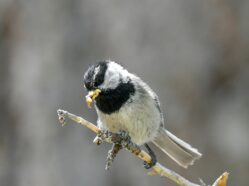
Hatch early and eat well: Patterns of juvenile dispersal and recruitment in Mountain Chickadees from a long-term study

Being a fledgling is difficult—and dangerous. The vast majority (~80 percent) of young birds do not survive this stage, succumbing to predation or starvation. What might give a vulnerable fledgling a head start when leaving the nest? Once they leave, how far do they move between their hatch sites and first breeding sites, and why?

Hidden Nests: Advances and Challenges in the Research and Conservation of Cavity-Nesting Birds in the Neotropics

In the Special Feature, Ecology and Conservation of Cavity Nesters in the Neotropics, seven field studies, a perspective, and a review contribute to understanding the ecology and conservation of cavity-nesting birds through a Neotropical lens.